What makes it worth visiting
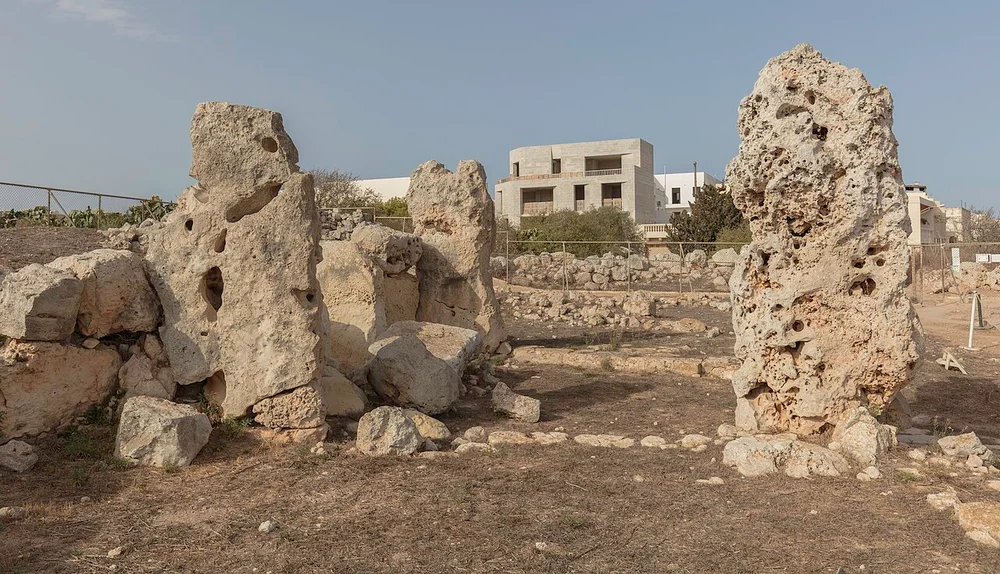
Skorba, in the Mġarr area, is important for the evidence it provides about the people who lived alongside Malta's prehistoric monuments. Heritage Malta describes remains of domestic structures as well as megalithic buildings. That makes the site especially rewarding after a larger temple visit: it encourages you to ask where people cooked, worked and organised daily life, rather than seeing prehistory only through impressive standing stones.
A visit that works
Read the site interpretation slowly and establish which remains belong to different phases. Low walls and surfaces may be visually less dramatic than a monumental entrance, but they can carry equally valuable information. Compare the domestic evidence with the surviving ceremonial elements without assuming everything was in use simultaneously. A simple sketch or a note about one building can help more than a wide photograph that compresses the whole site into an apparently single layout.
Plan the details
Arrange tickets in advance through the authorised channels and check the site's specific opening window. The combined ticket with Ta’ Ħaġrat is useful geographically, but it does not make the sites a continuous complex. Plan how you will travel between them and where to pause for water or a meal. Wear practical shoes for the outdoor ground and respect all barriers around the remains. If weather makes a careful outdoor visit unpleasant, reschedule rather than hurrying over surfaces whose significance depends on close observation.
The useful details.
- Allow time to distinguish phases.
- Arrange admission before travelling.
- Plan the transfer to Ta’ Ħaġrat separately.
Sources & updates
Reviewed 2026-10-29. Prices, opening times, transport and access rules can change; use the official sources below before setting off.