Choose a coherent subject
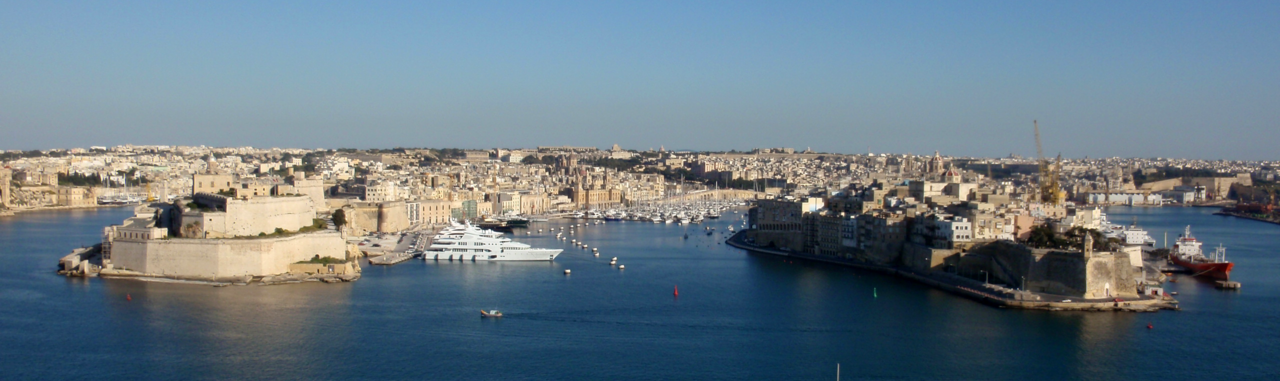
Malta offers more photographic material than a single day can use: limestone façades, harbour activity, architectural details and interiors with very different lighting. A useful project might follow doors along one Valletta street or the changing colour of stone in a single square. Spend time watching how the place works before taking photographs. A smaller subject encourages observation and gives a set of images a stronger relationship than a rushed collection of unrelated landmarks.
Read the venue’s own policy
Ticketed churches, museums and performance spaces set their own photography conditions. Check the current visitor information and instructions in each room, particularly where artworks or performances are involved. For an organised shoot, equipment setup or commercial use, contact the venue in advance. St John’s Co-Cathedral explicitly directs potential filming and photography enquiries to its events team. Permission to enter as a visitor should not be treated as permission to run a production.
Make people part of the conversation
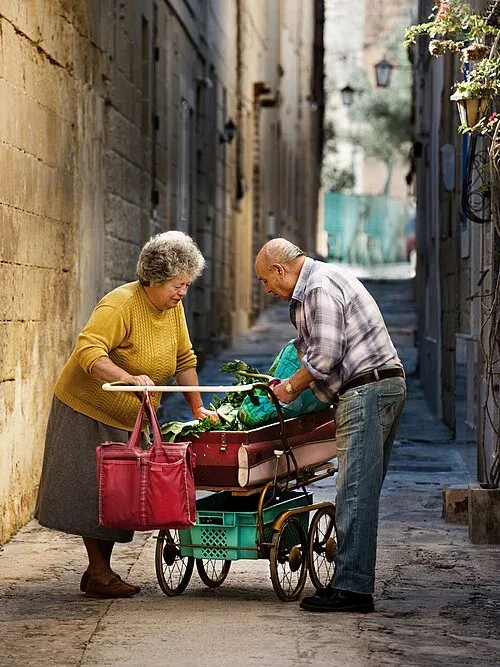
Ask before making someone the main subject of a close portrait, especially in a small shop, workshop or community gathering. Explain the proposed use if images are intended for publication. Keep doorways and working routes clear while framing architecture; people still live and work in the streets that visitors photograph. Review the images afterwards with their location and context recorded. Accurate captions can make a small Malta photo essay more useful than adding dramatic claims that the image cannot establish.
The useful details.
- Choose one visual subject or neighbourhood.
- Ask venues about organised shoots in advance.
- Keep accurate notes for captions and permissions.
Sources & updates
Reviewed 2026-10-29. Prices, opening times, transport and access rules can change; use the official sources below before setting off.