
What makes it worth visiting
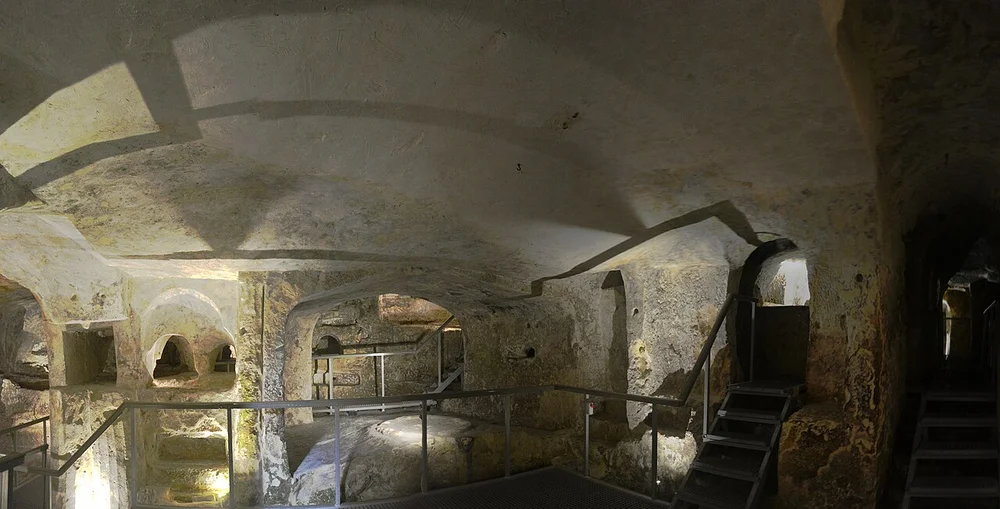
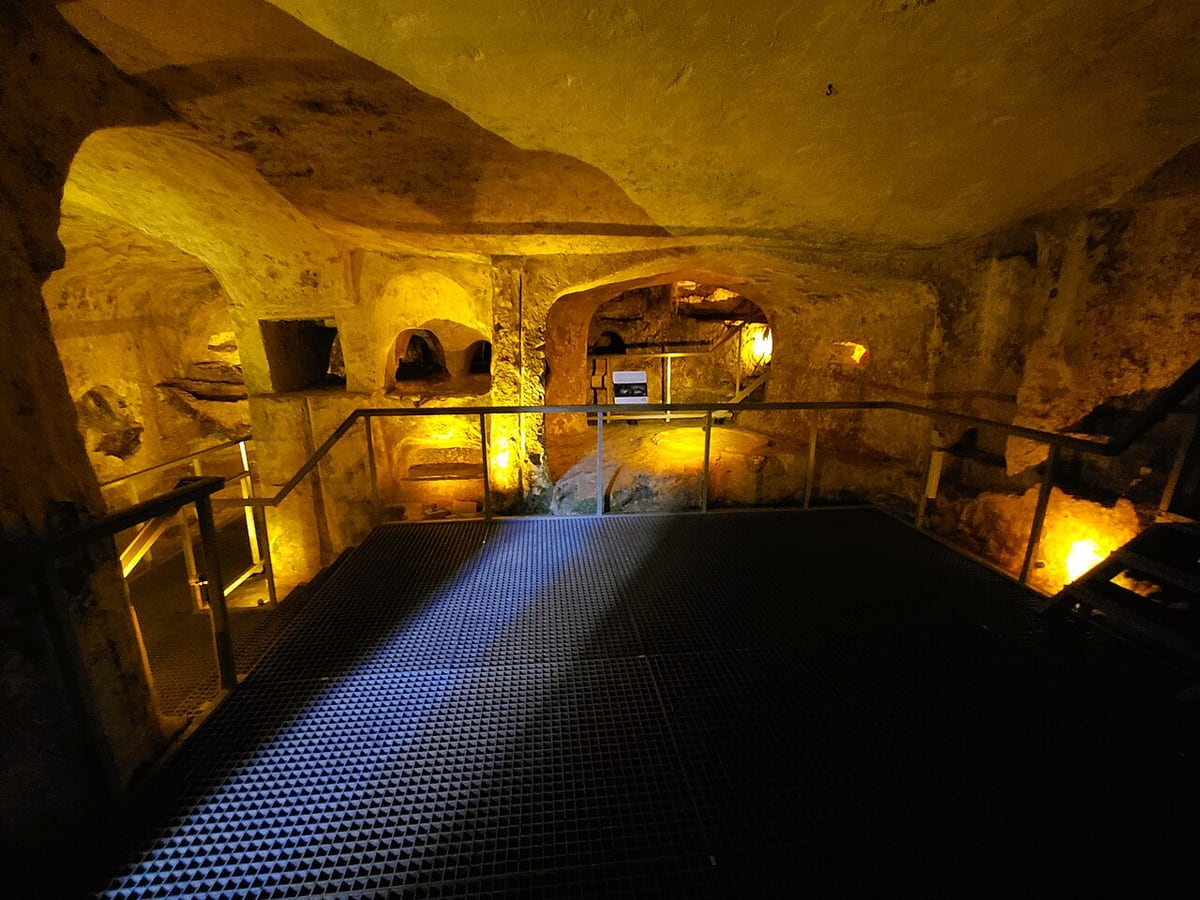
St Paul's Catacombs in Rabat present ancient burial spaces and the interpretation needed to understand them. The site is not simply a long underground passage to complete. Different tomb forms, the organisation of space and the wider burial setting provide the main interest. Begin with the visitor information so you can distinguish evidence about burial practice from assumptions prompted by the atmosphere of a dark or enclosed environment.
A visit that works
Use the introductory displays before choosing how much of the route to explore. Pay attention to the relationship between entrances, chambers and the areas cut for burials. A few carefully observed features can tell you more than a hurried circuit through every accessible section. For families, explain what a cemetery is and why archaeological places are protected before entering. Give anyone who is unsure about the underground setting a comfortable opportunity to choose a shorter visit.
Plan the details
Consult the official access statement, age guidance and route information before arrival. Wear shoes suited to historic surfaces and follow instructions around steps and low or narrow areas. The site has its own entrance in Rabat, so do not confuse it with St Paul's Grotto or the Wignacourt Museum's underground spaces. If comparing both, make that a deliberate plan with a break between them. Otherwise a quiet Rabat street walk provides a better change of setting after the archaeological visit.
The useful details.
- Start with the introductory interpretation.
- Distinguish this site from St Paul’s Grotto.
- Check underground route requirements.
Sources & updates
Reviewed 2026-10-29. Prices, opening times, transport and access rules can change; use the official sources below before setting off.