What makes it worth visiting
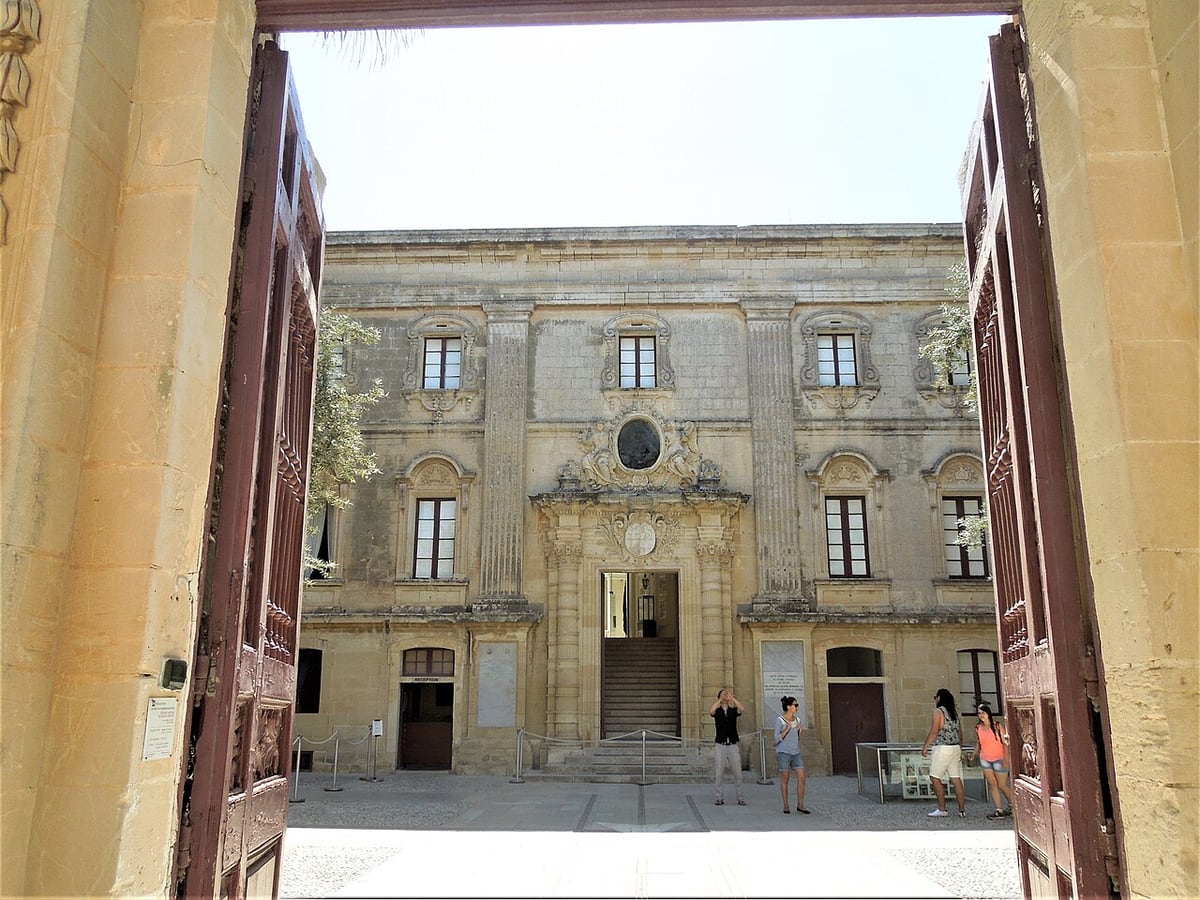
The National Museum of Natural History is housed in Palazzo Vilhena near Mdina's main entrance. That setting lets visitors combine a substantial historic building with collections about the natural world. The useful approach is to choose a subject within the displays rather than expect to absorb every specimen. A natural-history collection can raise questions about how islands develop, how species are studied and what earlier collectors considered important enough to preserve.
A visit that works
Begin with the museum's current display information and follow one thread that interests you, such as birds, geology or the presentation of specimens. Compare a few objects carefully instead of walking every room at the same pace. With children, ask what they notice first and then use the interpretation to refine the answer. Take time to look at the palace architecture between displays, keeping the history of the building distinct from the age of the natural material inside it.
Plan the details
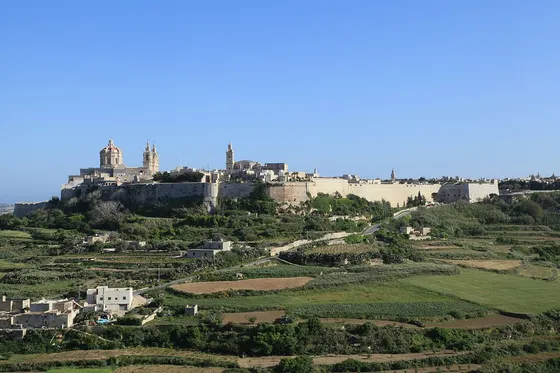
Check the official opening, facilities and access arrangements for the areas you want. A visit can be the main indoor element of a Mdina afternoon, leaving the streets and viewpoints as a flexible continuation. Do not assume that every gallery is equally suitable for every age or mobility need. Keep the pace relaxed and leave a break afterwards. For visitors who have already seen several religious interiors, the museum offers a welcome change of subject while remaining within the walled-city itinerary.
The useful details.
- Choose one natural-history subject to follow.
- Check access to the desired galleries.
- Use the Mdina walk as a flexible continuation.
Sources & updates
Reviewed 2026-10-29. Prices, opening times, transport and access rules can change; use the official sources below before setting off.