
What makes it worth visiting
Mtarfa's local council describes a landscape with ancient evidence and a major later military presence. The clock tower, built in the late nineteenth century, remains a prominent landmark, while former service buildings have acquired new functions. This gives a visit a clear theme: how an institutional settlement becomes part of an ordinary modern town. Keep the different periods separate rather than assuming every substantial stone building belongs to the same historical episode.
A visit that works
Start by identifying the clock tower from public space, then choose a modest route that makes the relationship between larger buildings and residential streets visible. Read the council's historical outline before setting off so that a former hospital or barracks context becomes meaningful. Do not plan on entering reused buildings merely because they are historically important. The outdoor town setting itself provides enough material for a focused walk, with a seated break before the return journey.
Plan the details
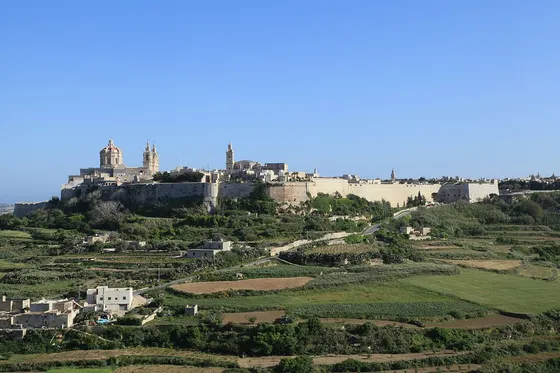
Check current council information for any special heritage opening or event. Schools, homes and other active institutions are not public museums, and their grounds should be respected. If a particular interior is essential, obtain explicit visitor arrangements before travelling. Assess slopes and the actual walking route for your group rather than relying on short distances around a hilltop map. Mdina and Rabat can be reached as separate destinations, but adding both risks diluting a visit whose value comes from understanding Mtarfa's distinctive built landscape.
The useful details.
- View reused institutional buildings from public space.
- Check any special opening directly.
- Assess slopes and the return transport route.
Sources & updates
Reviewed 2026-10-29. Prices, opening times, transport and access rules can change; use the official sources below before setting off.