What makes it worth visiting
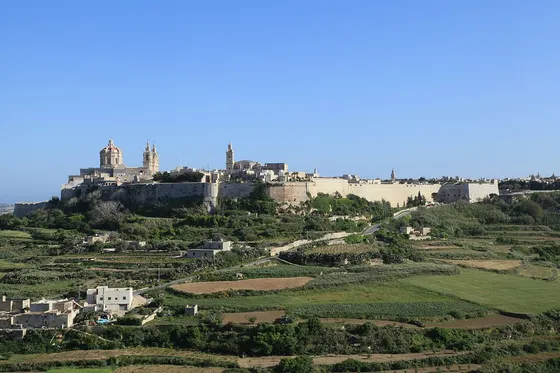
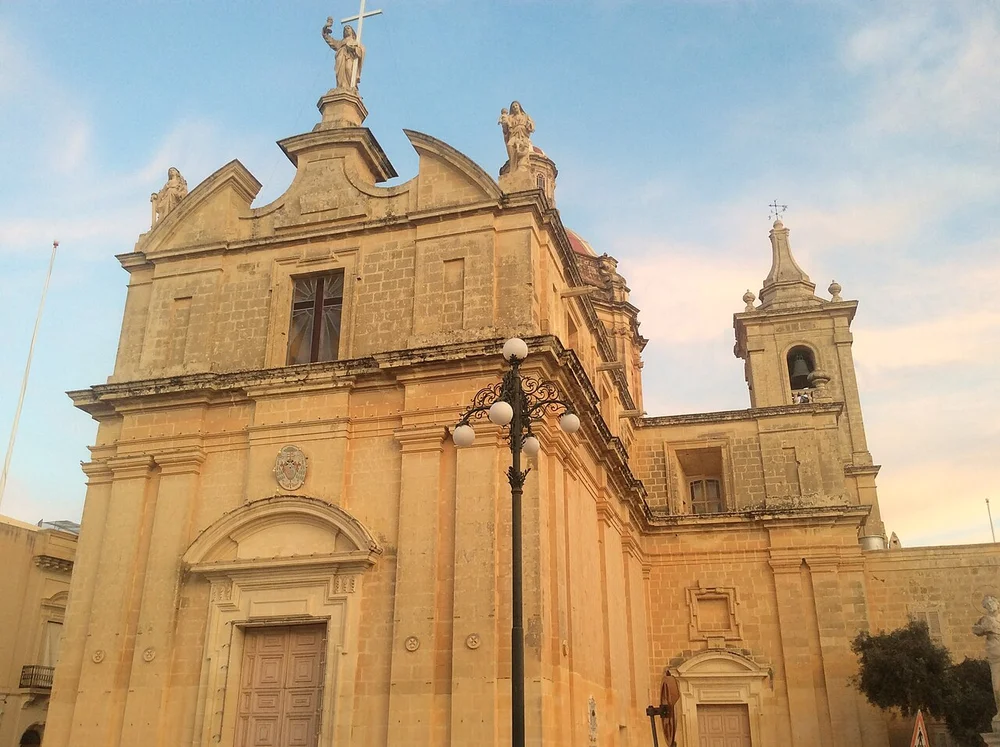
Mqabba's council account places limestone at the centre of the village's social and economic history. It also identifies the Ta’ Mintna Catacombs in the locality. Those subjects provide a useful pair of themes: the material used to build much of Malta and the evidence surviving below ground. Neither requires turning the village into an industrial tour. Begin with the centre and consider how local work and religious life have shaped the public streets.
A visit that works
Choose a compact village walk with time to look at stone surfaces and architectural details. If Ta’ Mintna is your main interest, arrange access through Heritage Malta before fixing the day. A reference in the council history is not a promise of daily entry. With a confirmed appointment, let the archaeology be the cultural anchor and keep the street walk flexible around it. Without one, a village visit can still work as a slow inland pause with a meal.
Plan the details
Stay outside operational quarries and work areas unless you have an explicitly authorised visit. Do not look for informal routes to archaeological entrances or assume an unlocked gate means public admission. Check the actual walking surfaces and return transport before setting off. During local events, road arrangements may change, so consult current notices. Mqabba works best when its limestone and archaeological subjects are explored with practical limits clearly understood, leaving time for ordinary village life rather than adding unrelated southern attractions to fill every hour.
The useful details.
- Arrange Ta’ Mintna through Heritage Malta.
- Do not enter operational quarry areas.
- Read local event and road notices.
Sources & updates
Reviewed 2026-10-29. Prices, opening times, transport and access rules can change; use the official sources below before setting off.