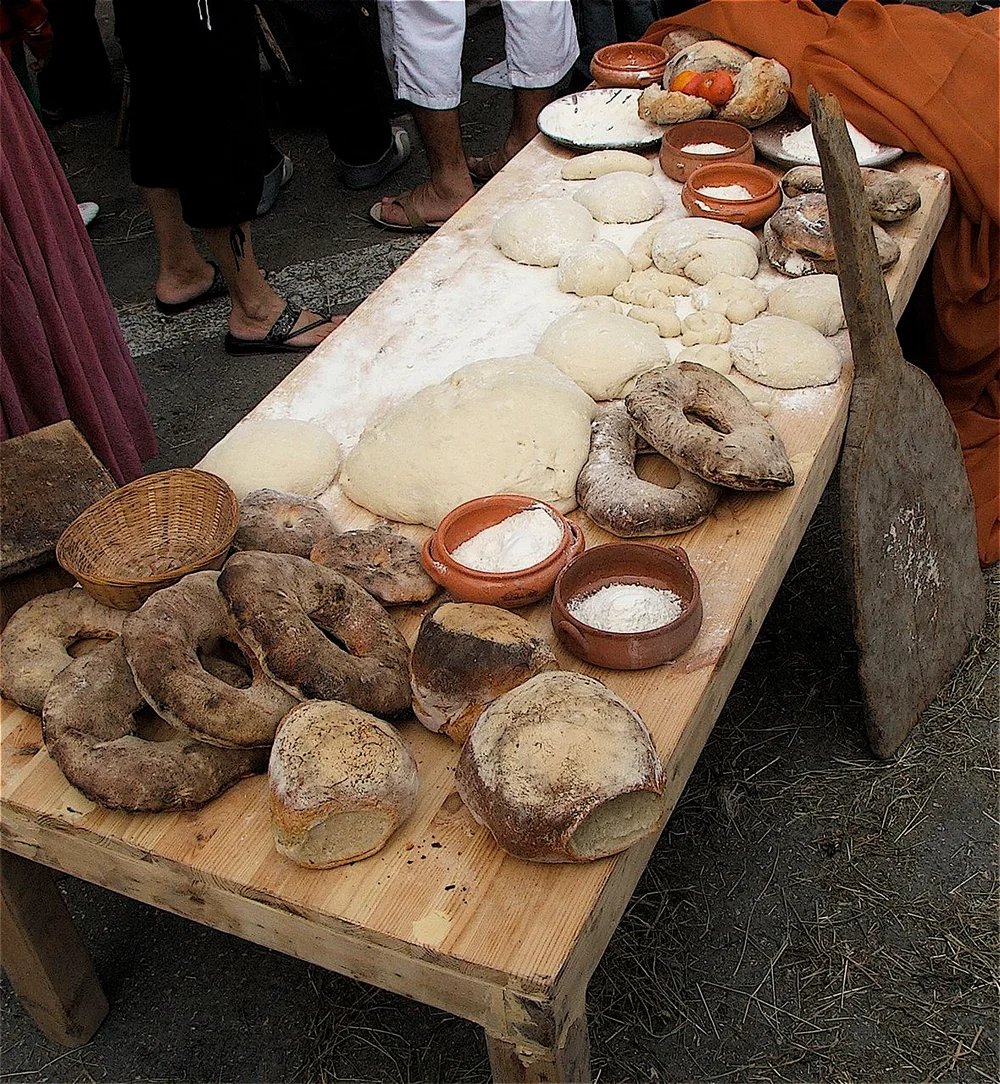
Bread, pastry and a simple snack
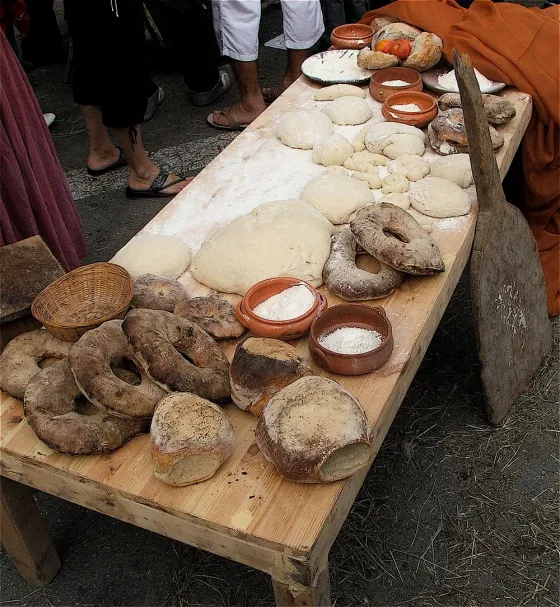
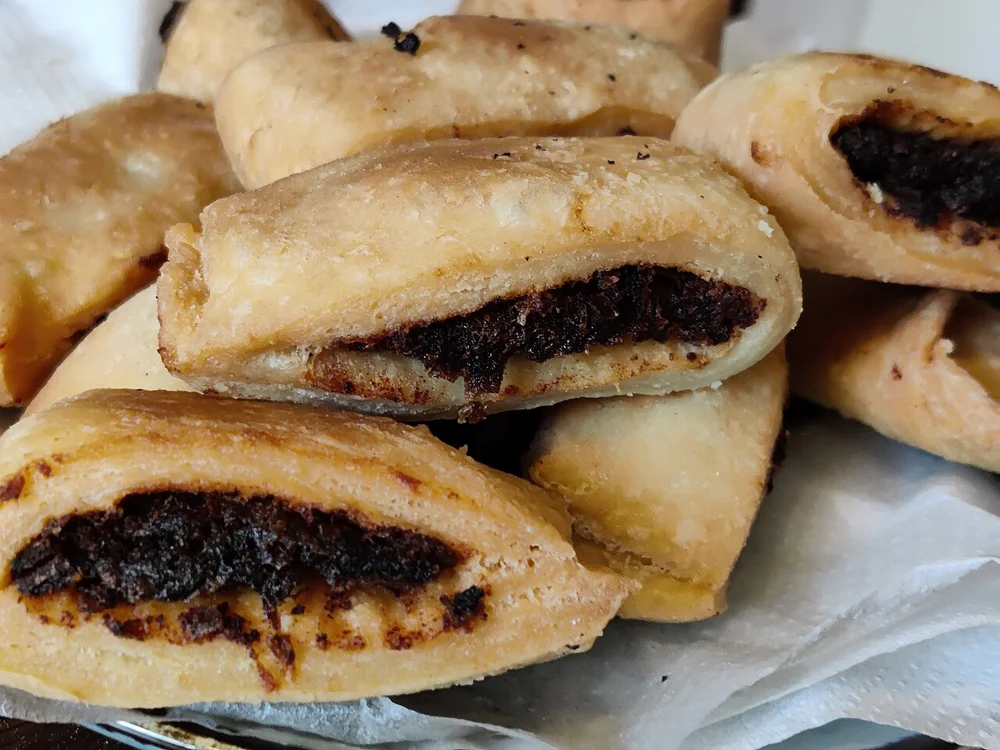
Pastizzi are small flaky pastries commonly associated with ricotta or pea fillings. Ftira is Maltese bread, but the word can appear in different preparations, so read the description rather than expecting every menu to mean an identical sandwich. At Ta’ Nenu, the operator publishes topped ftira dishes made from Maltese bread dough. These are useful examples of why a familiar name needs its menu context. Choose a snack because you like the ingredients and the moment, not because a visitor checklist says you must eat everything in one afternoon.
Recognise a few table staples
Bigilla is a bean dip that may appear as part of a Maltese sharing selection. Ġbejniet are small cheeselets, offered in different forms and preparations. Fenek refers to rabbit, and restaurants may cook it in a variety of ways, from fried preparations to sauces and stews. Aljotta is a fish soup, while imqaret are date-filled pastries. Use these names as a starting vocabulary rather than a complete recipe. A contemporary kitchen may reinterpret a familiar dish, and a traditional-looking description can still conceal ingredients important to your preferences.
Read the whole description
Ask whether a portion is intended as a starter, main or shared plate and what accompanies it. Do not infer vegetarian suitability or allergen safety from a dish name. Maltese sausage, cheese, fish, stock, pastry and sauces may appear within dishes whose headline ingredient is something else. Discuss dietary requirements with the restaurant directly and give it time to answer. If a seasonal item is what brought you there, confirm availability before travelling rather than relying on a photograph from another month or an old menu stored in a directory.
Let food shape one part of the trip
Try a bakery stop, a planned meal and perhaps a local-produce purchase on different days, instead of turning one lunch into a tasting challenge. Compare the operator’s current menu with what interests you and book when the restaurant advises it. Keep the meal within the day’s geography so it feels like part of the visit rather than a long detour. This glossary offers recognition and context, not a statement that one restaurant’s version is definitive. The details on the current menu and the kitchen’s direct answers should guide the actual order.
The useful details.
- Read the menu context: ftira can describe different preparations.
- Ask about portion size, accompaniments and ingredients.
- Confirm dietary requirements directly with the kitchen.
Sources & updates
Reviewed 2026-10-28. Prices, opening times, transport and access rules can change; use the official sources below before setting off.